Identifying Hidden Moisture and Mold Activity
Crawlspace Inspections in navigation menu for properties with high humidity, poor ventilation, or plumbing concerns
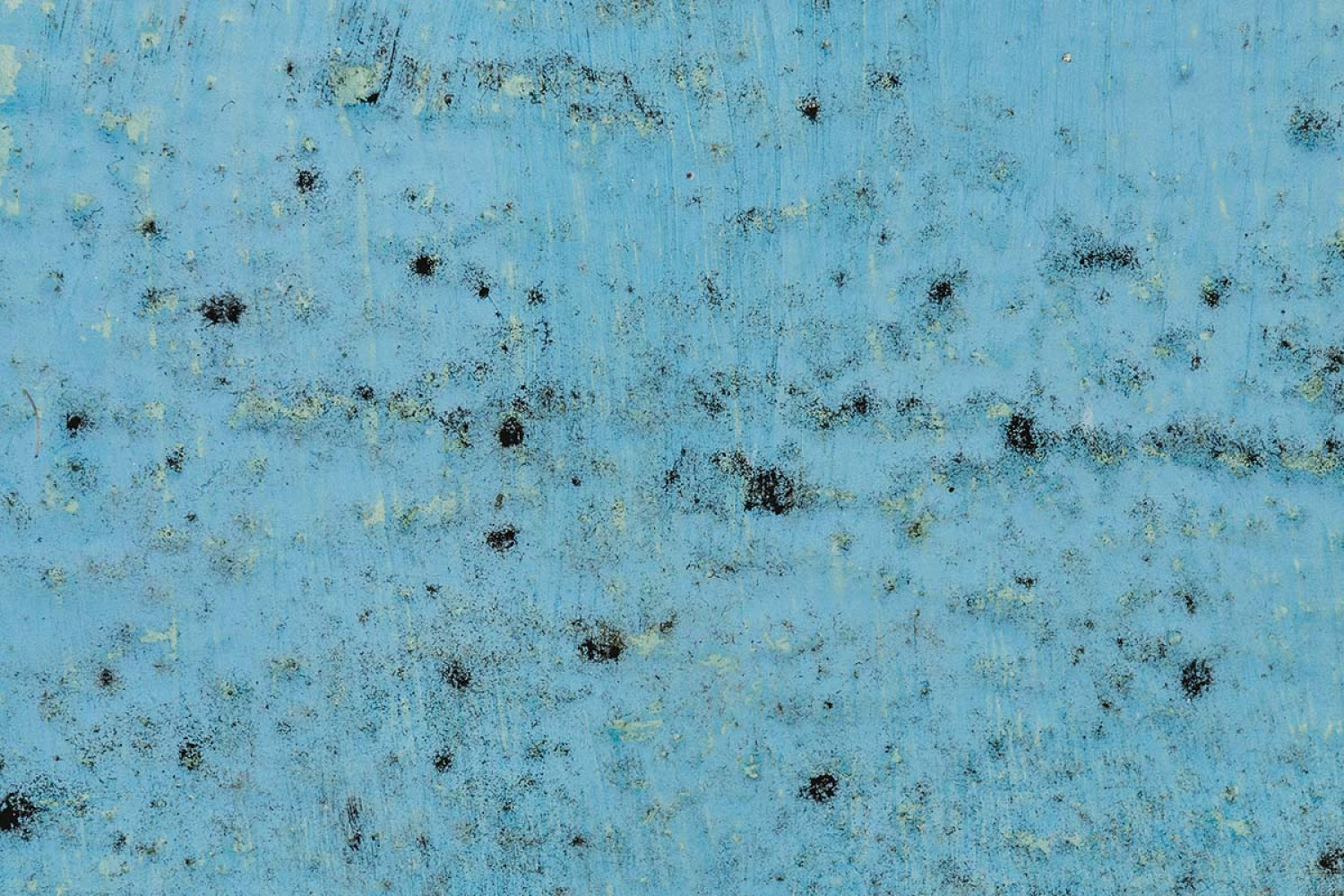
Crawlspaces create conditions that support opportunistic mold growth because they combine limited airflow, fluctuating humidity levels, and frequent exposure to plumbing leaks or groundwater intrusion. Biotex Mold Inspections and Assessments evaluates these enclosed areas for visible contamination, moisture sources, and environmental conditions that allow mold colonies to establish and spread unnoticed beneath living spaces. Property owners typically schedule crawlspace inspections after noticing musty odors indoors, discovering plumbing leaks, or when preparing to encapsulate or condition the space as part of energy efficiency improvements.
The inspection process examines structural members, insulation, vapor barriers, and HVAC components for visible mold growth, water staining, or material deterioration that indicates ongoing moisture problems. Inspectors measure humidity levels, check for standing water or drainage failures, and identify plumbing leaks or condensation patterns that feed mold activity. Crawlspaces differ from other building areas because poor ventilation prevents moisture from dissipating naturally, and organic materials like wood joists and paper-faced insulation provide abundant food sources once humidity climbs above sixty percent.
Arrange a crawlspace evaluation to identify moisture sources and mold activity before it migrates into living areas through floor penetrations or air leakage.